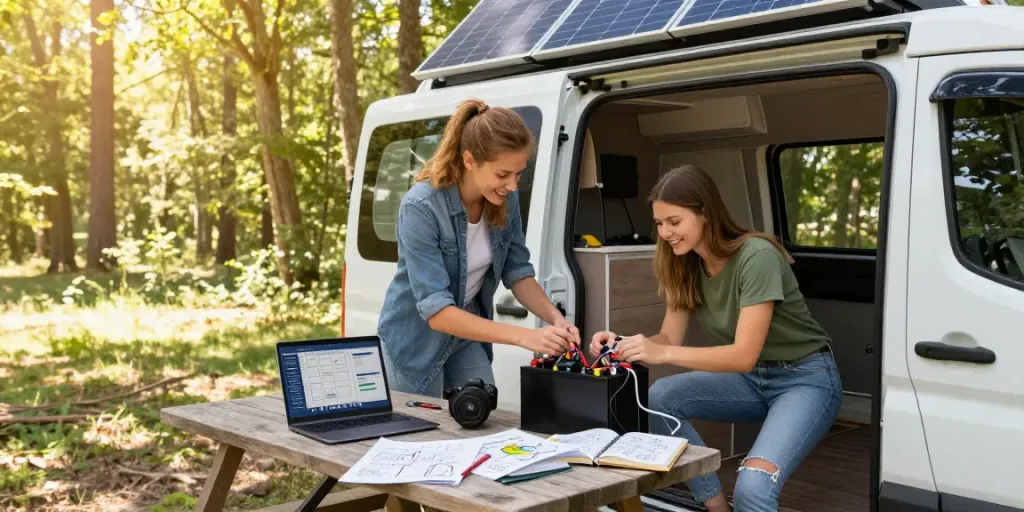
Understanding Campervan Electrics Essentials
As van life gains popularity, understanding the essentials of campervan electrics becomes crucial for a smooth and enjoyable experience on the road. Properly managing your camper's electrics not only ensures safety but also enhances your comfort and convenience during trips. Key components of a van's electrical system include batteries, solar panels, and wiring. Each of these elements plays a vital role in how your van operates. When exploring options, rokok88 slot login provides comprehensive insights into optimizing your camper's electrics for efficiency.
Importance of Proper Battery Sizing
Choosing the right battery size is essential for meeting your power needs while minimizing costs and maximizing space. The capacity of a battery, measured in amp-hours (Ah), determines how long you can use electrical devices before needing to recharge. It's crucial to account for your expected daily power usage to select a battery that will supply ample energy throughout your trip without overextending its limits.
- Consider typical appliances: refrigerators, lighting, and charging devices.
- Factor in usage duration for each device.
- Allow for a safety margin over your calculated needs.
Choosing the Right Solar System Configuration
Integrating a solar power system into your campervan setup can significantly reduce reliance on generator power or shore connections, making your travels more independent and sustainable. The right solar system configuration depends on your energy consumption and available space on your roof.
- Calculate the total wattage needed daily.
- Determine the number of solar panels required based on peak sunlight hours.
- Invest in a reputable solar charge controller to prevent overcharging and extend battery life.
Wiring Best Practices for Safety and Efficiency
Electrical wiring in a campervan requires achieving a balance between safety and efficiency. Utilizing the proper gauge wires helps to prevent overheating and ensures efficient power distribution.
- Use a wiring diagram to plan your layout before installation.
- Choose marine-grade wiring materials to resist moisture and corrosion.
- Always employ fuses and circuit breakers for safety.
Calculating Your Campervan's Power Needs
Understanding your campervan's power requirements is crucial for making informed decisions on battery and solar systems. By accurately calculating your power needs, you can ensure your electrical setup meets your lifestyle demands and avoids unnecessary upgrades or failures.
Using the Campervan Battery Size and Solar Calculator
Utilizing an online battery size and solar calculator can simplify the process of assessing your energy needs. These calculators allow you to input the power ratings of your appliances and the number of hours you intend to use them.
Understanding Power Consumption of Appliances
Each appliance consumes a different amount of power. Understanding how to calculate power consumption in watts (W) and translating that to amp-hours (Ah) is essential. Here's a quick formula:
Power (W) = Voltage (V) x Current (A)
To convert watts to amp-hours, divide the wattage by the voltage of your battery (typically 12V for campervans).
Estimating Solar Output for Different Locations
Solar output varies significantly based on geographic location and seasonal changes. By researching the average solar insolation for your intended travel destinations, you can tailor your solar setup accordingly. Tools like solar charts or apps can provide useful insights into how much energy you can expect from your panels.
Installing Battery and Solar Systems
Proper installation of your battery and solar systems is fundamental for system longevity and performance. An effective installation not only optimizes energy use but also enhances safety. Here’s how you can do it.
Step-by-Step Guide to Battery Installation
Installing your battery requires careful planning and execution. Begin by selecting a suitable location within your van that minimizes exposure to extreme temperatures. Follow these steps during installation:
- Secure the battery in a ventilated area with robust mounts.
- Connect the positive terminal first, followed by the negative terminal.
- Install a battery disconnect switch for safety during maintenance.
Setting Up Solar Panels and Inverters
Mounting solar panels requires consideration of optimal angles and locations to capture maximal sunlight. Once installed, connecting your solar panels to the inverter requires the following:
- Ensure you use connectors that match your panel type (MC4 is common).
- Follow the manufacturer’s instructions for wiring the panels to the inverter.
- Test the output before finalizing your setup.
Wiring Techniques for Seamless Integration
Proper wiring is key to a good electrical system. Organize your wiring to avoid clutter and make troubleshooting easier. Use zip ties or conduits to keep wires together and protected.
Insulating Your Van for Maximum Efficiency
Insulating your campervan is essential for energy efficiency, temperature control, and noise reduction. Adequate insulation helps maintain comfortable living conditions regardless of external weather conditions.
Why Insulation is Critical for Van Life
Insulation can significantly affect your energy consumption. Without proper insulation, heating and cooling systems must work overtime, draining your battery and using more fuel. Insulation helps moderate temperatures and improves energy efficiency.
Best Insulation Materials for Different Climates
Several insulation materials are effective for campervans, depending on your climate and budget:
- Polyiso foam boards are great for cold climates due to their high R-value.
- Reflective foil is excellent for reflecting heat in warmer climates.
- Spray foam provides a barrier against moisture and air leaks.
DIY Insulation Installation Tips and Tricks
When insulating your campervan, consider these DIY tips for a successful installation:
- Ensure surfaces are clean and dry before application.
- Use a vapor barrier in very humid regions to prevent mold.
- Seal all joints and gaps to maximize efficiency.
Choosing the Perfect Van for Your Conversion
Selecting the right van can make or break your conversion project. Various factors determine the ideal choice for your specific needs, from size and layout to available power sources.
Factors to Consider When Selecting a Van
Consider the following factors:
- Size: Ensure your chosen van has enough space for your conversion requirements.
- Engine: Diesel engines may provide better fuel economy for long-distance travel.
- Drive type: Decide between a two-wheel drive for light travel or a four-wheel drive for off-the-beaten-path adventures.
Comparing Different Van Models
Research various van models to find one that suits your needs. Vans like the Mercedes Sprinter, Ford Transit, and RAM ProMaster are popular among van lifers due to their spacious interiors and reliability.
Real-life Examples of Successful Van Conversions
Look for inspiration from successful van conversions shared in van life communities. These examples can provide valuable insights into effective layouts, materials, and designs that other campers have found successful.
What Tools Do You Need for a Successful Conversion?
Having the right tools can streamline your conversion process. Here's a basic toolkit to consider:
- Drill and bits for fastening.
- Construction adhesive for securing paneling.
- Measuring tape for accuracy.
- Wrenches and screwdrivers for assembly.
How to Budget for Your Van Conversion Project?
Finally, budgeting for your conversion project is vital. Outline your costs related to materials, labor, and any additional equipment. Be realistic about your spending and always leave room for unexpected expenses.